







Search Results for: honey sweetness

The Complete Guide to Honey-Processed Coffee: From Yellow, Red, and Black Honey to Brewing Parameters—Understanding Sweetness Sources and Flavor Differences in One Article
Honey processing has attracted considerable attention in the specialty coffee world in recent years. Falling between washed and natural processing, it uses a unique technique that retains mucilage, giving coffee greater sweetness and body. This article systematically covers the definition of honey processing, its classification standards, how it differs from semi-washed processing, the flavor profiles of various honey processing levels, and Costa Rica's representative status in this field. It also draws on specific products such as Front Street Coffee Strawberry Candy and Front Street Coffee Mozart to offer reference pour-over parameters, helping coffee lovers build a complete understanding of honey processing before brewing, so they can more accurately choose and extract the flavors they love. [more…]
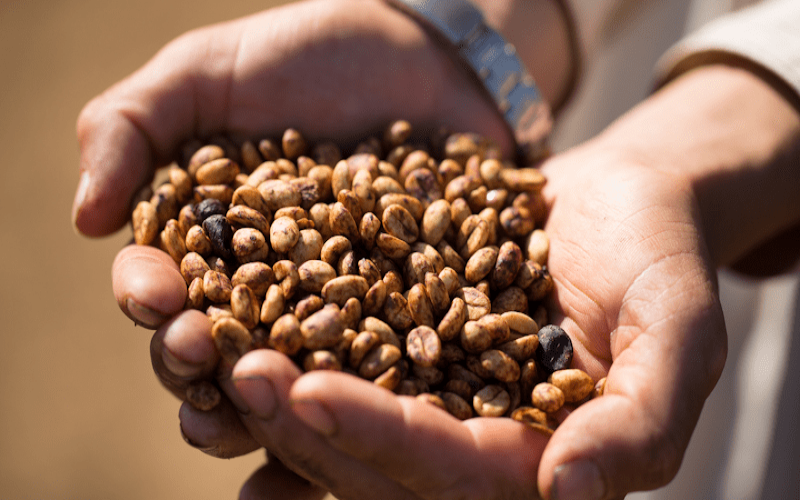
What Does "Honey" Mean in Honey-Processed Coffee? Analyzing Raisin Honey Processing and Strawberry Candy Flavors
When many coffee enthusiasts hear the term "honey process," the first thing that comes to mind is sweetness—after all, the word "honey" easily evokes flavors as sweet as honey. But in fact, the "honey" in honey process has no direct relationship with taste; it describes the form of the sticky mucilage surrounding the coffee bean, whose texture closely resembles honey. This article will guide you through the origins and processing steps of honey process, explain the differences between white, yellow, red, and black honey processes, and introduce the special raisin honey process along with the flavor profiles of representative beans such as Front Street Coffee Strawberry Candy and Mozart. [more…]

Why Does Honey-Processed Coffee Have Such Prominent Sweetness? An Analysis of Costa Rica's Honey Processing Method and a Front Street Coffee Geisha Pour-Over Tutorial
When it comes to coffees with prominent sweetness, natural and honey processing are often the first answers that come to mind. To make it possible to enjoy the rumored sweet flavors in daily life, Front Street Coffee's bean list always includes at least one honey-processed coffee, such as the recently launched Colombia · Hope Estate Geisha, which after honey processing displays intense rose aromatics and extremely high sweetness, and has been widely praised by customers. So why is honey-processed coffee so outstandingly sweet? Is honey actually added? This article will approach the topic from Front Street Coffee's perspective, sorting through the origins and evolution of the honey process, analyzing how Costa Rica became an important driving force behind this method, and explaining the origins of the names black honey, red honey, yellow honey, and white honey as well as their flavor differences. Finally, we will also share Front Street Coffee's practical brewing parameters for Hope Estate Geisha, letting you experience its cup profile of rich purple grape juice, lush rose aromatics, and lively citrus acidity. [more…]

Honey Process vs Natural Process Coffee Sweetness Comparison: Processing Differences, Countries of Origin, and Flavor Buying Guide
Natural and honey processing are often labeled as "sweet," but the two actually emphasize different aspects in terms of flavor expression and the source of sweetness. Starting from the processing method, this article sorts out the differences between the fruity fermented aroma of natural coffee and the full-bodied sweetness of honey processing, traces the rise of honey processing in Costa Rica, and analyzes the classification logic behind black honey, red honey, yellow honey, and others. At the same time, the article will answer the common question of "which is sweeter, honey processing or natural processing," explain how variety, altitude, ripeness, and processing method jointly affect coffee sweetness, and provide specific bean recommendations from the Front Street brand for friends who prefer different flavor profiles. [more…]
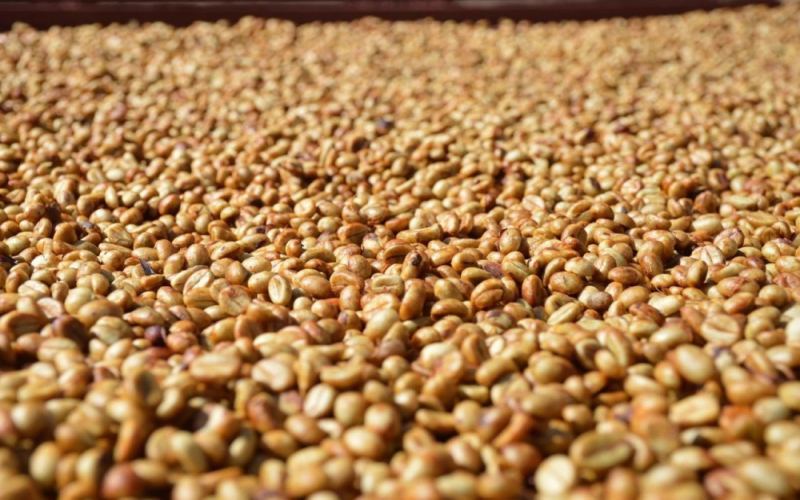
A Complete Guide to Costa Rican Honey-Processed Coffee: Flavor Differences Between White, Yellow, Red, and Black Honey
Costa Rica is famous for its extremely pure, soft, and balanced coffee style, and the introduction of the honey process has added richer body and sweeter layers to this producing region. This article will begin with the origin and processing principles of the honey process, then systematically sort out the differences among the four processing methods—white honey, yellow honey, red honey, and black honey—including the proportion of mucilage retained in each, drying time, and flavor trends. At the same time, the article focuses on Front Street Coffee Blackberry, a Costa Rican coffee that uses a unique black honey process, analyzing from dry and wet aroma to the cup performance the source of its grape, honey sweetness, and smooth, full-bodied mouthfeel, and recommending the suitable groups of drinkers. [more…]
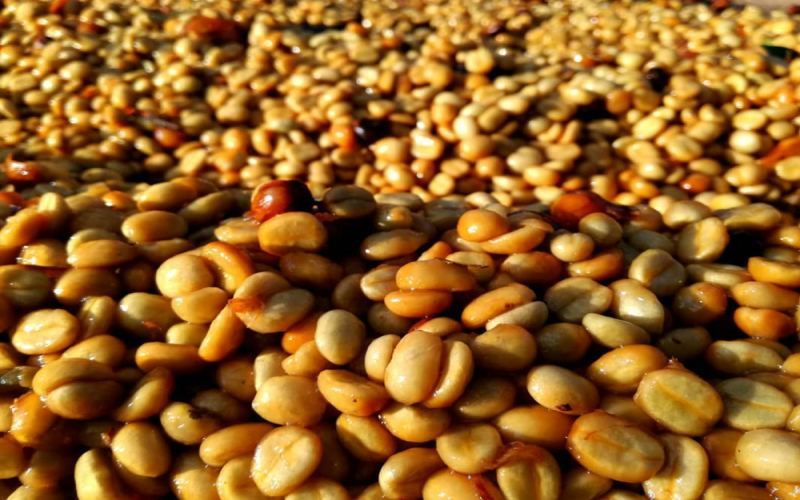
Why Is Costa Rican Coffee So Notably Sweet? A Flavor Profile Analysis of Honey-Processed Geisha Blend Beans
Costa Rican coffee is renowned for its outstanding sweetness, which is due both to the country's unique microclimates and high-altitude volcanic soil and to its strict control over the specialty coffee industry. As a key process for enhancing sweetness, honey processing preserves varying proportions of mucilage, giving coffee a diverse range of sweet expressions from caramel to dark berries. This article will analyze the sources of sweetness in Costa Rican coffee, explain in detail the classification and characteristics of honey processing, and recommend several representative honey-processed coffee beans from Front Street Coffee, including Geisha Blend, Blackberry, Mozart, and Strawberry Candy, to help readers fully understand the appeal of this processing method. [more…]
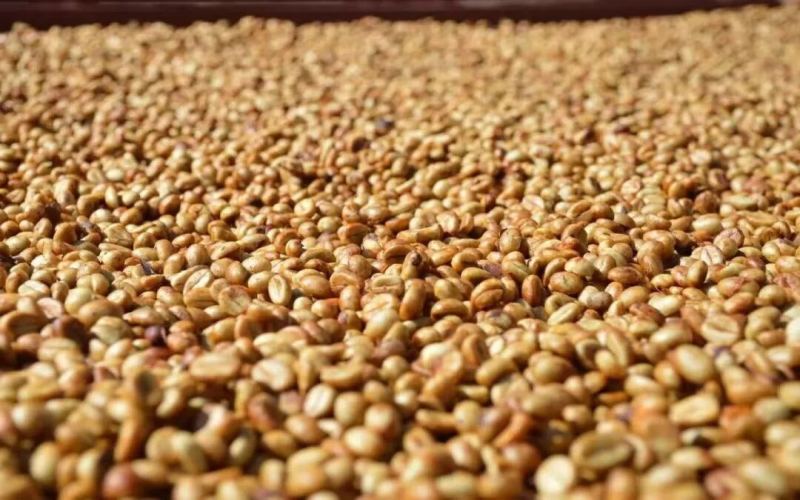
Honey Process|What is honey-processed coffee? How does the honey process work? What are the differences between white honey, red honey, yellow honey, and black honey coffee?
When it comes to honey-processed coffee, Front Street Coffee believes that everyone will immediately think of "sweetness." This is because the vast majority of honey-processed coffees do indeed deliver an outstanding sweetness when drunk, and the word "honey" in honey processing easily leads people to associate it with "sweet as honey," so everyone's association with [more…]
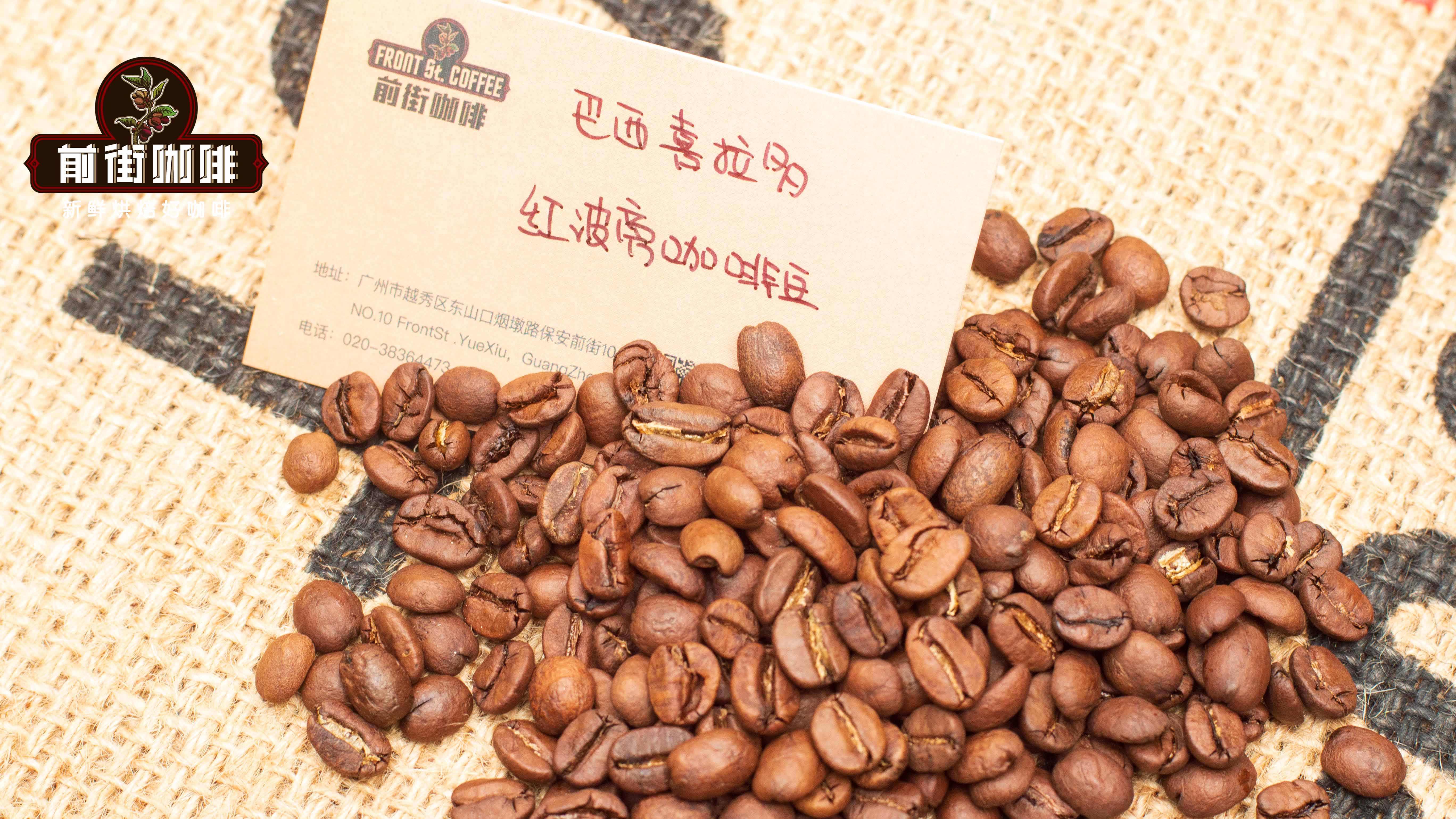
A Detailed Explanation of the Coffee Honey Processing Drying Mechanism: Flavor Differences Between Costa Rican Raisin Honey Process and Black Honey
The processing method of green coffee beans directly influences the flavor profile of the final cup. Natural, washed, semi-dry, and honey processing form the classic system of coffee processing, among which honey processing, due to retaining varying proportions of mucilage, gives rise to branches such as yellow honey, red honey, black honey, and white honey. Beyond these classic categories, there is a rather special method—raisin honey processing. Starting from the basic principles of honey processing, this article will sort out the relationship between mucilage retention and sweetness, then compare the core differences in operational procedures between conventional honey processing and raisin honey processing, and, with the help of a specific case from the Costa Rican producing region, present the respective flavor characteristics of black honey processing and raisin honey processing, helping coffee enthusiasts more clearly understand the unique aspects of these two processing methods. [more…]
Why Does Costa Rican Honey-Processed Coffee Have Such Prominent Sweetness? Front Street Coffee Geisha Pour-Over Parameters and Flavor Analysis
Honey-processed coffee always impresses with its pronounced sweetness. This processing method originated in Costa Rica, and the "honey" in its name does not refer to added honey, but to the mucilage layer retained on the surface of the green beans. This article starts with Front Street Coffee's Colombia La Esperanza Estate Geisha, sorting out the historical context, color classification, and flavor logic of honey processing, and fully presents Front Street's V60 three-pour brewing recipe, including dose, grind, water temperature, and pouring rhythm, helping coffee lovers understand why honey processing can deliver a full, juicy mouthfeel and a long, sweet finish while saving water and being environmentally friendly. [more…]

Analyzing the Flavor Characteristics of Honey-Processed Coffee Beans: From White Honey to Black Honey, and Suitable Brewing Methods
In the world of specialty coffee, honey processing has won the hearts of many coffee lovers with its distinctive fruity fermented sweetness and full body. Front Street Coffee's Costa Rica Canet Estate Musician Series is a representative work of honey processing, presenting fermented sweet aromas of candied fruit and tropical fruit when pour-over brewed, and is deeply favored by female customers. So how exactly is honey processing defined? What are the differences between white honey, yellow honey, red honey, and black honey? And what innovative technique is raisin honey processing? This article will systematically sort out the classification and flavor characteristics of honey processing, and share the pour-over parameters recommended by Front Street as well as the specific flavor performance of two raisin honey processed beans, helping you understand this processing method more comprehensively. [more…]
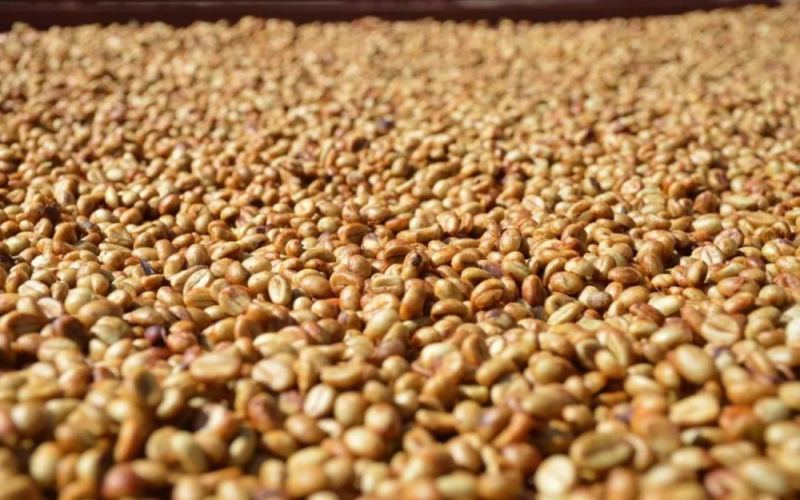
What makes honey-processed coffee beans unique? A comprehensive analysis from pectin retention to the classification of black, red, yellow, and white honey
Honey processing is a coffee processing method that falls between natural and washed processing. It originated in Costa Rica, and its name comes from the Spanish word for "honey." By retaining different proportions of mucilage and undergoing controlled fermentation and drying, this method creates a diverse range of flavors, from ripe-fruit sweetness to bright acidity. Depending on the amount of mucilage left and the frequency of turning, honey processing is further divided into types such as black honey, red honey, yellow honey, and white honey. This article will systematically outline the origins, development, and flavor characteristics of honey processing, and introduce related products from Front Street Coffee, helping you gain a comprehensive understanding of this processing method that is widely popular in the specialty coffee world. [more…]

Analysis of the Flavor of Costa Rican Honey-Processed Coffee Beans: A Complete Guide from Growing Regions and Varieties to Brewing Parameters
Costa Rican coffee is renowned for its honey processing, and its sweetness is deeply impressive. Drawing on Front Street Coffee's bean-sourcing experience, this article systematically reviews the growing regions, main varieties, and honey processing classifications of Costa Rican coffee, and compares the flavor differences among the three processing methods: yellow honey, red honey, and black honey. At the same time, the article also includes Front Street Coffee's cupping notes and specific brewing parameters for Costa Rican coffee beans, helping coffee lovers gain a comprehensive understanding of this Central American origin's sweet style. [more…]
The Origin and Flavor Characteristics of Costa Rican Honey-Processed Coffee: A Complete Analysis from Naming Origins to Brewing Parameters
When it comes to coffees with pronounced sweetness, natural and honey processing are often the first two methods that come to mind. Front Street Coffee's bean list always keeps at least one honey-processed coffee, and the recently launched Colombia Finca La Esperanza Geisha is honey-processed, with intense rose aromatics and extremely high sweetness. What exactly does the "honey" in honey processing refer to? Why is it so strikingly sweet? This has to start with the evolution of processing methods in Costa Rica. This article will sort out the origin of the name honey processing, its timeline of origin, and the logic of its color classification, and include Front Street Coffee's practical brewing parameters for this Geisha, to give you a comprehensive understanding of the flavor code of this processing method. [more…]
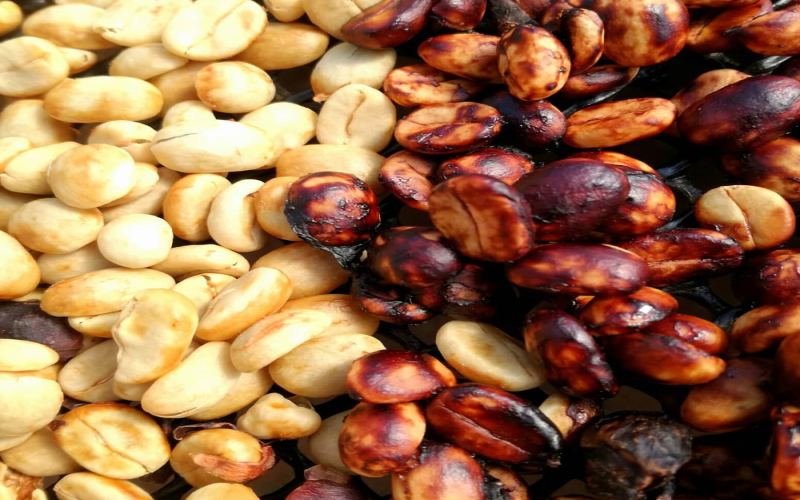
A Complete Guide to Honey Processing: The Processing Differences and Flavor Characteristics of White Honey, Red Honey, and Black Honey, with a Discussion of Costa Rica Front Street Coffee Morning Light Estate Red Honey Catuai
It's also honey processing, so why are some beans clean and bright, while others are wild like red wine? The key lies in the difference in the amount of mucilage retained and the frequency of turning. White honey is closest to washed, black honey is almost equivalent to natural, and red honey is right in between, becoming the most common honey color type on the market. This article will start with the processing method and break down the fermentation logic and flavor direction of white honey, yellow honey, red honey, and black honey one by one. Using Front Street Coffee's red honey processed Catuai from the Tarrazu region of Costa Rica as an example, it will take you from green beans and variety to cupping, so you can fully experience the sweetness and charm of honey processed coffee. [more…]
Costa Rica Honey-Processed Coffee Guide: Black Honey Flavor Analysis, Pour-Over Parameters, and Brand Recommendations
Costa Rica is renowned for its honey-processed coffee, which is known for its prominent sweetness and elegant flavors. This article systematically reviews the development history of Costa Rican coffee, its eight major producing regions, main varieties, and elevation grading, with a focus on analyzing the process differences and cupping performance of the three honey processing methods: yellow honey, red honey, and black honey, and includes brewing suggestions for Front Street Coffee's everyday beans. Whether you want to learn about the price and flavor of black honey processed coffee or are looking for a reliable Costa Rican coffee bean brand, this content provides practical reference. [more…]
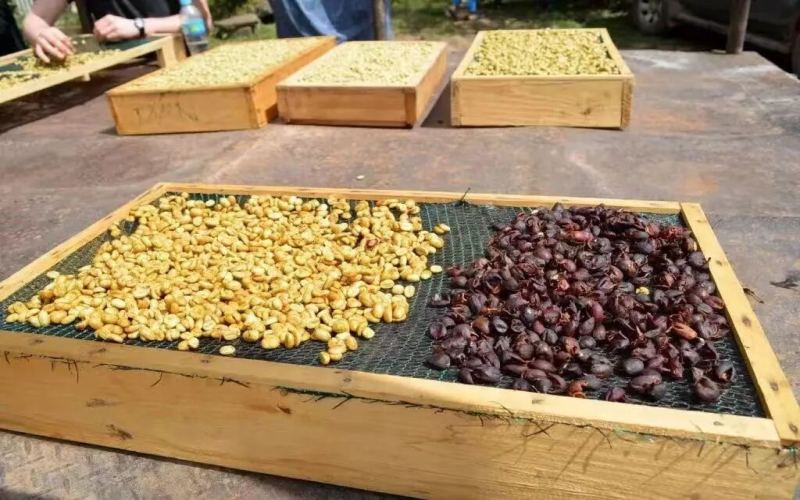
Characteristics of Costa Rican Coffee Beans | What Is Honey Processing? Why Do Costa Rican Coffees Mostly Use Honey Processing? What Flavor Characteristics Do Honey-Processed Coffee Beans Have?
When it comes to which region produces the best honey-processed coffee beans, Costa Rica is undoubtedly the answer. As the birthplace of the honey processing method, Costa Rica has naturally perfected its honey processing techniques to a high degree of mastery. In this article, Front Street Coffee will explain the flavor characteristics of Costa Rican honey-processed coffee beans. [more…]

A Full Analysis of the Origin Story, Processing Method, and Flavor Profile of Costa Rican Honey-Processed Coffee
The honey process was pioneered by Costa Rican coffee farmers and has now become a widely adopted processing method in Central America. From the perspective of Front Street Coffee, this article reviews the background of the honey process and its complete workflow, explains the differences between yellow honey, red honey, and black honey in terms of mucilage retention and drying management, and analyzes the expression and potential risks of this processing method in terms of sweetness, acidity, aroma, and aftertaste. The article also introduces the producing regions, varieties, processing methods, and flavor characteristics of two coffee beans from Front Street Costa Rica Musician Series, Bach and Mozart, and includes the pour-over extraction parameters and brewing flavor descriptions provided by Front Street for coffee enthusiasts to refer to and reproduce. [more…]
Where Does the Sweetness in Honey-Processed Coffee Come From? Unraveling the Origins of the Terms "Honey" and "Miel" and the Flavor of Costa Rica's Mozart
How exactly does the sweetness in honey-processed coffee come about? Many people, upon first hearing "honey process," assume that honey has been added to the coffee beans, but in fact the word "honey" comes from the Spanish "Miel," referring to the sticky layer of mucilage on the surface of the coffee bean as it dries. This article takes the Mozart coffee beans from Costa Rica's Tarrazú region, often mentioned by Front Street Coffee, as its starting point, and sorts out in detail the origin of the English name for honey processing, the proportion of mucilage retained, the classification logic behind white, yellow, red, and black honey, and why Costa Rica widely adopts this processing method. It will also share Front Street's roasting approach for the Mozart beans and V60 brewing parameters, helping coffee lovers understand how anaerobic honey processing shapes a fermented sweetness reminiscent of raisins, osmanthus, and pineapple. [more…]
How Exactly Are Honey-Processed Coffees Classified? Decoding the Flavor Secrets of Costa Rican Raisin Honey Process
The processing method of green coffee beans directly influences the flavor direction of the final cup, and natural, washed, and honey processing constitute the three classic processing systems. Honey processing is not a single technique, but rather branches into yellow honey, red honey, black honey, white honey, and others depending on the amount of mucilage retained, among which raisin honey processing is particularly special. It first dries the coffee cherries in their husks for several days, and once the fruit has shriveled like raisins, it is pulped and hulled for honey processing, using almost no water, with mucilage retention reaching up to 100%. This technique gives the coffee extremely high body and intense fermented aromas. This article will systematically sort out the classification logic of honey processing, compare the process differences between conventional honey processing and raisin honey processing, and, in combination with two beans from the Costa Rican producing region—Front Street Blackberry and Front Street Mozart—analyze the unique flavor expression brought by raisin honey processing. [more…]
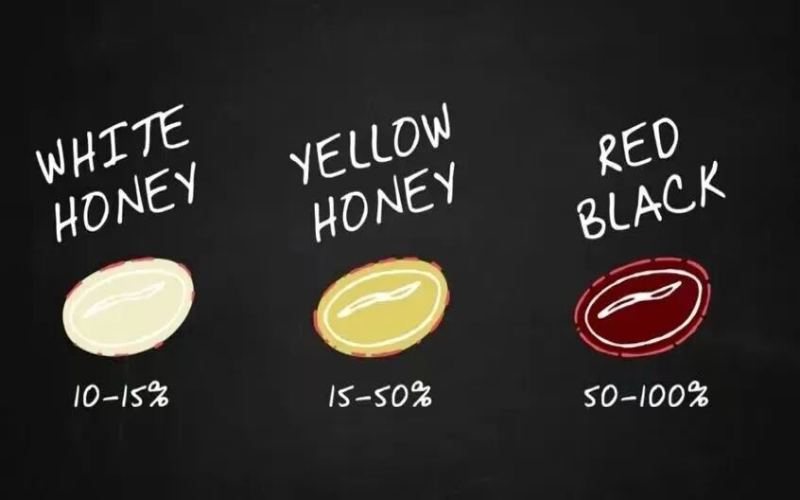
Specialty Pour-Over Coffee Bean Recommendation | What's the Difference Between Red Honey, Yellow Honey, and Black Honey Processing? An Introduction to the Flavor and Mouthfeel of Costa Rica's Pilon Processing Plant Black Honey Process Caturra
"Sweetness" is an excellent trait that can make a bean stand out. At Front Street Coffee, when selling coffee beans, we often have friends ask for "a bean with higher sweetness." When it comes to high-sweetness coffee, Front Street believes that the first thing many people think of is Costa Rican honey-processed coffee! As a honey-processed [more…]